Tuesday, 28 March 2017

Thursday, 23 March 2017


Fruits and health benefits

5 Incredible Benefits Of Fruits
1. Instant Energy Supplier:
When you eat fruits, your supply of energy increases in no time; this is one of the prime benefits of fruits that we can utilize in our busy schedules. This is the reason why athletes often eat fruit during and after exercising and why diets for pregnant mothers almost always involve fruits of some kind.
2. Prevention is Better Than Treating
– Nowadays, drug stores have many types of multivitamin tablets that can give supplemental nutrition during critical times. However, it is always advisable to eat the vitamins of fruits in their natural form so that all of the benefits are conferred to you. As is always said, the benefits of fruits can never be outmatched or replaced. Over a 10-20 year time frame, eating fruits regularly can completely change your life and makes a great deal of difference to the health and functioning of your body.
3. Keeps You Disease Free
– The combination of powerful flavonoids, antioxidants, minerals, vitamins, phytochemicals and the countless micro- and macronutrients make fruits very advantageous for your health. The daily consumption of fresh fruits lowers the risk of strokes, high blood pressure, indigestion, cancer, heart disease, diabetes and other chronic diseases. Fruits keep your skin supple, hydrated and nourish it with essential vitamins, minerals and antioxidants, thereby retaining your radiant skin for a long period of time. In fact, if you are tired of using the commercial anti-pimple creams, just try including fruits like berries, apples, or bananas into your daily diet and see the acne disappear quite quickly. Fruits even ensure healthy hair growth and keep your locks lustrous and soft. Some fruits like bananas contain vital chemicals such as potassium, which helps to prevent strokes, high blood pressure, and anxiety. Fruit consumption basically eliminates vitamin and mineral deficiencies and their associated symptoms. Fruits also have high quantities of water and fiber in them, which helps to keep your digestive tract clean and your weight under control.
4. Fruits in Acne Treatment
Acne is one of the most irritating skin disorders that can affect people of any age. With a good amount of fruit in your diet, you can naturally curb this problem rather than opting for expensive dermatological creams. Acne mostly occurs from skin infections and dermatological issues, but there are other reasons for such eruptions as well. Apples are the best option for treating acne; eat the skin of the apple, which has a high level of pectin that helps with constipation, which can be a trigger for acne. Bananas also helps to alleviate acne, as it is high in fiber that again relieves constipation. Berries have excellent cleansing properties and keep you protected from skin disorders. If you eat grapes during the day, it helps to cleanse your skin and body. While papayas rejuvenate your skin and repair minor damage that you may not even notice, lemon juice slowly eliminates the signs and scars from acne spots.
5. Fruits for Healthy Hair
Just as fruits enhance the radiance of your skin, they also contribute greatly to healthy, long hair. Vitamin A brings luster to your hair and also softens its texture. If you have fruit on an empty stomach, it will prevent hair loss and premature greying. Citrus fruits are excellent hair stimulants. The vitamin C content in citrus fruits also prevents hair loss and keeps your hair shiny and healthy. Fruits like kiwis, strawberries and pineapple are also known for aiding hair growth.
The benefits of fruit for your hair health can also be enjoyed through hair masks. Melon and banana hair masks are recommended by many beauty professionals for healthy hair care at home. You can also make a paste of lemon juice and aloe vera and apply it generously to the hair. Keep the paste on for approximately 45 minutes and then thoroughly wash your hair with mild shampoo. These packs not only improve hair quality, but also eliminate scalp disorders like dandruff and itching. Avocado has an impressive amount of vitamin E, which is widely known to be very good for hair. Avocado hair masks strengthen hair and delay premature greying of your hair. Coconuts are also very good for healthy hair growth. Coconut oil is used extensively throughout the tropical world for haircare.
Apple

- Protects your heart
- Prevents constipation
- Improves lung capacity
- Blocks diarrhea
- Cushions joints
Apricot

- Combats cancer
- Controls blood pressure
- Saves your eyesight
- Shields against Alzheimer's
- Slows aging process
Artichokes

- Aids digestion
- Stabilizes blood sugar
- Guards against liver disease
- Lowers cholesterol
- Protects your heart
Avocado

- Battles diabetes
- Lowers cholesterol
- Smoothes skin
- Helps stops strokes
- Control blood pressure
Tuesday, 21 March 2017
"The quick brown fox jumps over the lazy dog"

Do you know?
"The quick brown fox jumps over the lazy dog"
is an English-language pangram—a sentence that contains all of the letters of the alphabet. It is commonly used for touch-typing practice, testing typewriters and computer keyboards, display examples of fonts, and other applications involving text where the use of all letters in the alphabet is desired. Owing to its brevity and coherence, it has become widely known.
Having a Successful Studying Routine

Having a Successful Studying Routine
[Content is originally from https://www.wikihow.com/Study-for-a-Test ]
Tests seem like they spring up like weeds, don't they? You take one test and there's another just around the corner. Start showing those tests who's boss like a round of Whack-A-Mole: You'll soon be getting your share of "A"s and "B"s.
1. Make a study schedule.
Time management is key to studying for a test or tests. If you plan out your time, you'll feel less rushed and hurried. You'd be able to avoid a Sunday night, 3 AM cram session. Plan out the week before the test to use your time most effectively.
Analyse how many things you have to study and try to calculate how much you have to study each day/week to cover everything. You can quickly test how long it takes you study one page and calculate the amount of time you need to study everything afterwards.
Try to study over the course of a week, not just one night. Revisiting the information moves it from short-term memory (the kind that disappears almost immediately) to long-term memory, where you can retrieve it for later.Ideally, take a look at the content a little bit every day.
2. Start as soon as possible.
If you start on top of things, you'll never have to worry about catching up. Read the textbook assignments, do the homework, and go to class. The studying you do on your own time will then be that much easier.
Organize a notebook and folder for the class. Keep all your papers together when you need to pull them out three months later. Keep your syllabus accessible to use it as a rough outline for the class. Don't forget to keep up the studying on a daily basis, don't leave it for the last minute!
3. Ask your teacher.
what things she/he want you to study. Remember, any little detail on a test can become a question!
4. Get some sleep.
Alright, so we already covered how you should sleep instead of changing your normal routine to wake up early to study because it can ruin your REM cycles. Get as close to 8 hours as possible. Your grades (and parents) will thank you for it.
Before you go to bed , hit the hardest concepts. Then when you do hit the hay, your brain has hours and hours to let it sink in. The fluff can be tackled mid-afternoon -- let the difficult stuff stew overnight for maximum retention.
5. Make time for breakfast.
Studies show that students who eat breakfast before a test do better consistently. But you want to keep it to something light and healthy -- focusing on that lump of eggs, bacon, and cheese in your stomach won't do you any favors. Stick to fruits, veggies, whole grains, and light dairy products.
In fact, research says that your diet the week before the test matters, too! Students that were placed on a high-fat, high-carb diet did worse than those loading up on fruits, veggies, and complex, whole grains. Do yourself, your body, and your mind a favor by eating right. By eating right, you can get the right nutrients that your body needs, and you will be able to retain information better.
6. Avoid the last minute cram session.
Studying the night before the test will make it even more difficult -- you'll be sleep deprived, groggy, and your mind will not be firing on all pistons. You don't want to gather heaps of information in one night; it's impossible to absorb that much info at once. Straight up, you'll do worse.
If you don't see the logic, believe the science. Studies show that late-night crammers get average grades. If you're looking for a C, cram away. But if you're looking for something a bit better, avoid it.
7. Study right after waking and just before bed.
In the morning, your mind is fresh and clear. Though you wouldn't think it works this way (so simple!), your mind seems to have more room to absorb information right when you wake up.At night, your brain secretes chemicals to cement the information into your memory, so studying right before bed (and when you wake up) is a safe bet. When you know the patterns of your brain, you can take advantage of them!
Research shows that the closer the information is taken in relative to sleep, the more it'll stay in. So review right before bed! What's more, it also shows that getting a good night's rest leads to greater levels of retention. Remember how we said don't cram? There you go.
[Content is originally from https://www.wikihow.com/Study-for-a-Test ]
How to Check Windows Computer's System Information?

1. Hold down ⊞ Win and press R. Doing so will open Run, which is a program that allows you to run system commands.

2. Type msinfo32 into the Run window. This command opens your Windows computer's system information program.

3. Click OK. It's at the bottom of the Run window. Doing so will open the System Information window.
4. Review your PC's system information. There are several tabs in the top-left corner of the window that you can use to view different aspects of your system:
- System Summary - This is the default tab to which System Information opens; it contains details about your computer's operating system, installed memory, and processor type.
- Hardware Resources - View a list of all hardware drivers and information associated with devices (e.g., webcams or controllers) associated with your computer.
- Components - View a list of technical components on your computer such as USB ports, the CD drive, and speakers.
- Software Environment - View drivers and running processes on your computer.
- Internet Settings - Your computer may not have this option; if it does, you can use this tab to view various pieces of information about your computer's internet connection.
Keyboard shortcuts speed up computer use, making learning them a worthwhile effort.

Ensure that the operating system you are using supports them.
Win+e : Opens My Computer in Windows Explorer
Win+f : Find
Win+m : Minimize all windows
Win+d : Toggle minimize all windows
Win+r : Open run dialog
Alt+tab : Switch open windows
Alt+F4 : Quit app
Alt+F5 : Restore window
Alt+F7 : Move window
Alt+F8 : Resize window
Alt+F9 : Minimize window
Alt+F10 : Maximize current window
Thursday, 16 March 2017
10 Study Tips that will Boost your Results
This is particularly true of students that are looking to make the most of their study time and get better grades at school. That’s why we’ve put together a list of study tips to help you develop a learning strategy that will allow you to achieve your study goals in 2017.

Is it Magic or Is it Math?
🤔Is it Magic or Is it Maths?🤔
This trick will impress even your maths teacher.1. Think of a number.
2. Double it.
3. Add 10.
4. Halve it.
5. Take away your original number.
6. Is your answer 5?
Try this with a different starting number. Did you get a different result? Why does this happen?
Write the answer on a piece of paper without letting anybody see it and seal it in an envelope. Have somebody hold the envelope and at the end ask them to open it and reveal the number you wrote at the beginning. Wow, Magic!
Tuesday, 14 March 2017
50 Tips, Tricks and Ideas for Teaching 2nd Grade

1. Have a procedure for everything.
“It’s really important in second grade that you have procedures for everything! My first year, I had procedures for the big things but not the smaller things, and that was a mistake. Tattling and girl drama was big in my class and not starting off with a policy and procedure for addressing it took from instructional time initially.” —Donella H.
“It’s really important in second grade that you have procedures for everything! My first year, I had procedures for the big things but not the smaller things, and that was a mistake. Tattling and girl drama was big in my class and not starting off with a policy and procedure for addressing it took from instructional time initially.” —Donella H.
2. Create a class constitution.
After learning about the constitution, students can apply their knowledge by creating their own class constitution called “We the Kids”!
http://kreativeinkinder.blogspot.com/
After learning about the constitution, students can apply their knowledge by creating their own class constitution called “We the Kids”!
http://kreativeinkinder.blogspot.com/
[This article is originally posted by https://www.weareteachers.com/author/weareteachersstaff/ ]
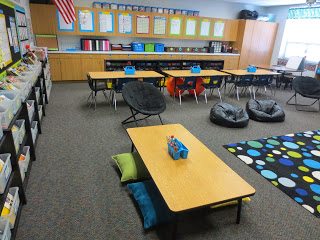
3. Consider alternative seating.
Bean bags, saucer chairs, and pillows make for inviting alternatives to traditional desk-and-seat formations.
Bean bags, saucer chairs, and pillows make for inviting alternatives to traditional desk-and-seat formations.
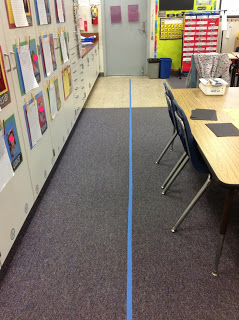
4. Make lining up easy!
Use a line of painter’s tape that students can use to line up quickly and easily every day. Eventually, take out the tape to show your second graders that they can line up perfectly all on their own!
Use a line of painter’s tape that students can use to line up quickly and easily every day. Eventually, take out the tape to show your second graders that they can line up perfectly all on their own!
[This article is originally posted by https://www.weareteachers.com/author/weareteachersstaff/ ]
5. Use Class Dojo for classroom management.
“I LOVE it. It was highly motivating for my second graders. I use it as a reward system. My parents love getting notifications that their child was recognized for something they were doing right!” —Angie S.
“I LOVE it. It was highly motivating for my second graders. I use it as a reward system. My parents love getting notifications that their child was recognized for something they were doing right!” —Angie S.
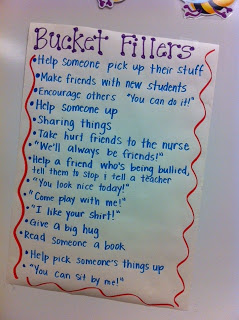
6. Inspire class community.
Read the book How Full is Your Bucket (For Kids) and brainstorm a list of “bucket fillers” together to inspire acts of kindness in class.
Read the book How Full is Your Bucket (For Kids) and brainstorm a list of “bucket fillers” together to inspire acts of kindness in class.
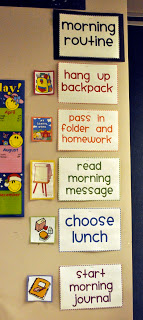
7. Post your students’ morning routine.
Having the routine illustrated and easy to see will help your students remember how to start each day independently.
Having the routine illustrated and easy to see will help your students remember how to start each day independently.
8. You’ve got mail!
“Sign up via Sign Up Genius to get your students involved with sending 49 postcards to one classroom in each of the 49 states in the U.S.!” —Neysa S.
“Sign up via Sign Up Genius to get your students involved with sending 49 postcards to one classroom in each of the 49 states in the U.S.!” —Neysa S.
[This article is originally posted by https://www.weareteachers.com/author/weareteachersstaff/ ]
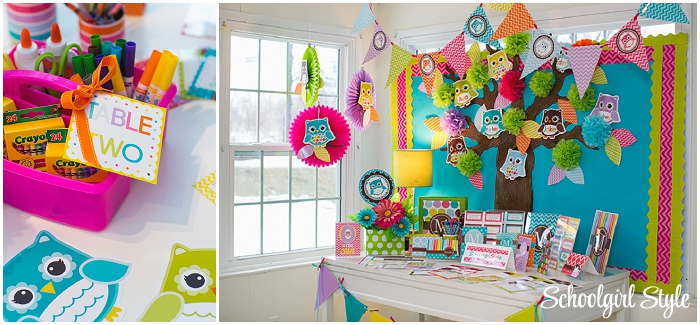
9. Pick an inspiring theme for your classroom.Here are some themes our second grade teachers love: butterflies, black paper with polka dots, chevron, sock monkeys, Dr. Seuss, owls, orange and teal, minions and superheroes. Schoolgirl Style is one of our favorite bloggers for classroom theme ideas!
10. Find teacher deals on the cheap.
The teacher Helpliners have spoken! Favorite stores for serious discounts on classroom items include Target, dollar stores, Mardel, Walmart, local teacher supply stores, Staples, Michael’s, Jo-Ann, Oriental Trading, Amazon, NAEIR.org, NationalSchoolProducts.com, and TeachersPayTeachers.com. “Office Depot will match prices plus give an additional discount.” —Kitty R. “Don’t be afraid of seeking donations. I once got a case of copy paper donated by a grocery store.” —Carmen B. “Yard sales are a great place for prize box toys, and for games for your rainy day closet.” —Sandie N.
The teacher Helpliners have spoken! Favorite stores for serious discounts on classroom items include Target, dollar stores, Mardel, Walmart, local teacher supply stores, Staples, Michael’s, Jo-Ann, Oriental Trading, Amazon, NAEIR.org, NationalSchoolProducts.com, and TeachersPayTeachers.com. “Office Depot will match prices plus give an additional discount.” —Kitty R. “Don’t be afraid of seeking donations. I once got a case of copy paper donated by a grocery store.” —Carmen B. “Yard sales are a great place for prize box toys, and for games for your rainy day closet.” —Sandie N.
[This article is originally posted by https://www.weareteachers.com/author/weareteachersstaff/ ]
11. Teach telling time.
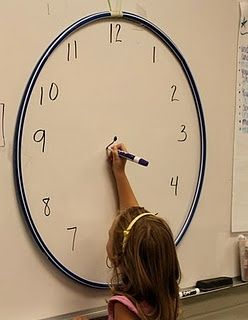
Students can draw different times on a dry-erase clock by taping a hula hoop on your white board.
Students can draw different times on a dry-erase clock by taping a hula hoop on your white board.
12. Build a number of the day.
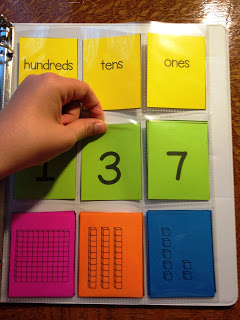
Students can build the number of the day by selecting the correct numerals, words, and units.
Students can build the number of the day by selecting the correct numerals, words, and units.
13. Read to them every day with these second grade read-alouds.
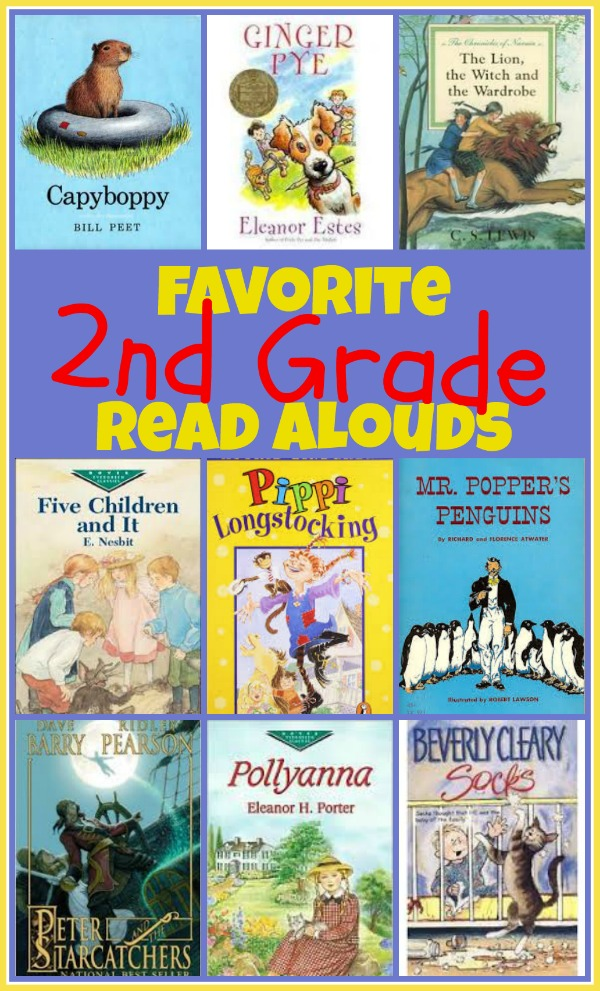
Mr. Poppers Penguins and Socks are second grade classics!
Mr. Poppers Penguins and Socks are second grade classics!
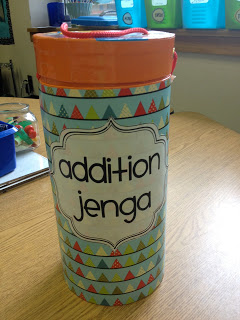
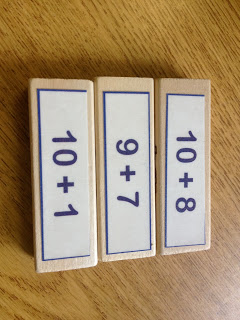
14. Play addition jenga.
Write (or label) addition problems on the jenga pieces. As students play the game, they solve the problems on each piece they pull.
Write (or label) addition problems on the jenga pieces. As students play the game, they solve the problems on each piece they pull.
[This article is originally posted by https://www.weareteachers.com/author/weareteachersstaff/ ]
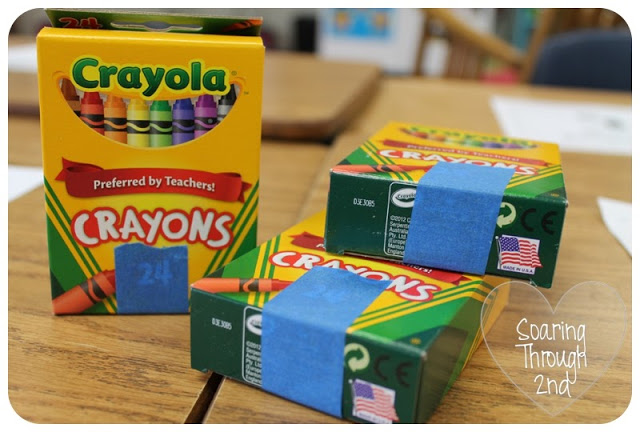
15. Prevent the mid-year crayon spills.
Tape the bottoms of all crayon boxes and never deal with exploding crayons again!
Tape the bottoms of all crayon boxes and never deal with exploding crayons again!
16. Check out Second Story Window.
“Second Story Window is an amazing second grade resource!” —Tanya C. It’s a website loaded with ideas for second grade teachers.
“Second Story Window is an amazing second grade resource!” —Tanya C. It’s a website loaded with ideas for second grade teachers.
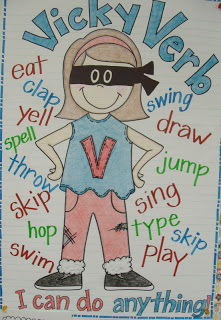
17. Teach verbs with a character they’ll remember.
How can your second graders forget that verbs are action words when they know Vicky Verb, action hero extraordinare?
How can your second graders forget that verbs are action words when they know Vicky Verb, action hero extraordinare?
18. Keep the room from getting too noisy.
Try out the Too Noisy App recommended by Second Grade Nest!
Try out the Too Noisy App recommended by Second Grade Nest!
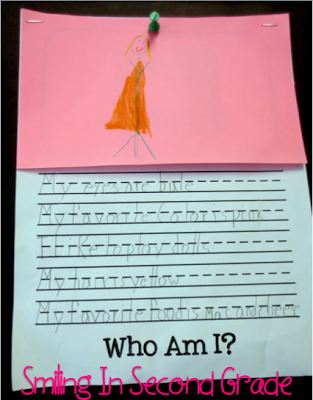
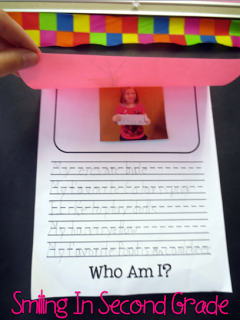
19. Have students create a fun “Who Am I?” game for Back to School Night.
Students can describe and draw themselves, then parents can guess which is their child on Back to School Night. Lifting the drawing will reveal a picture of the student holding his or her name.
Students can describe and draw themselves, then parents can guess which is their child on Back to School Night. Lifting the drawing will reveal a picture of the student holding his or her name.
20. Get musical (for free)!Play music for free in your room with these kid-friendly Pandora stations, like the Piano Guys and Mozart for Kids.
 .
.
21. Have your students start the day!
“Have the students review the answers to morning math problems with the class! I give my kiddos about ten minutes to complete as much as they can and then I choose a student to come up to ‘teach’ the first problem by sharing strategies and solutions. That students asks if everyone agrees or disagrees and chooses another student for the next problem if everyone agrees. If there is disagreement with his answer, they discuss alternatives. The students are in charge for the first 30-45 minutes of the day! My favorite time of the day!” —Stacey S.
“Have the students review the answers to morning math problems with the class! I give my kiddos about ten minutes to complete as much as they can and then I choose a student to come up to ‘teach’ the first problem by sharing strategies and solutions. That students asks if everyone agrees or disagrees and chooses another student for the next problem if everyone agrees. If there is disagreement with his answer, they discuss alternatives. The students are in charge for the first 30-45 minutes of the day! My favorite time of the day!” —Stacey S.
[This article is originally posted by https://www.weareteachers.com/author/weareteachersstaff/ ]
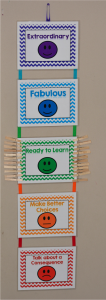
22. Use a clip chart for behavior.
A clip chart is a way to visually make students aware of both their good and bad behaviors. “I use a clip chart with numbers in my second grade class. I make sure to point out good behaviors in students that one would think should have it way down. They really did develop buy-in and were proud getting to move their clips up. They learned that following classroom procedures was about them and not me. I helped them develop strategies to stay on track for following a procedure. I had success with it!” —Vicki A.
A clip chart is a way to visually make students aware of both their good and bad behaviors. “I use a clip chart with numbers in my second grade class. I make sure to point out good behaviors in students that one would think should have it way down. They really did develop buy-in and were proud getting to move their clips up. They learned that following classroom procedures was about them and not me. I helped them develop strategies to stay on track for following a procedure. I had success with it!” —Vicki A.
23. Or, reward good behavior simply.
“Work smarter, not harder! Catch kids being good and pass out tickets or something simple for you to handle so you can devote the majority of time to instruction and helping kids instead of more complicated classroom management systems.” —Cathy C.
“Work smarter, not harder! Catch kids being good and pass out tickets or something simple for you to handle so you can devote the majority of time to instruction and helping kids instead of more complicated classroom management systems.” —Cathy C.
24. Give your students a voice!With Kid Blog, students can write their own blogs and express themselves—safely! “I love Kid Blog!” —Andrea M.
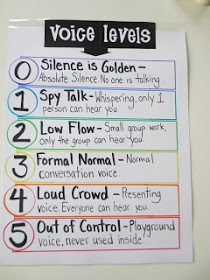
25. Remind students of their voice levels with a cute poster and rhymes.
Get kids excited to speak quietly with cues like “Spy Talk”. Make a class goal of going from a 5 to a 3!
Get kids excited to speak quietly with cues like “Spy Talk”. Make a class goal of going from a 5 to a 3!
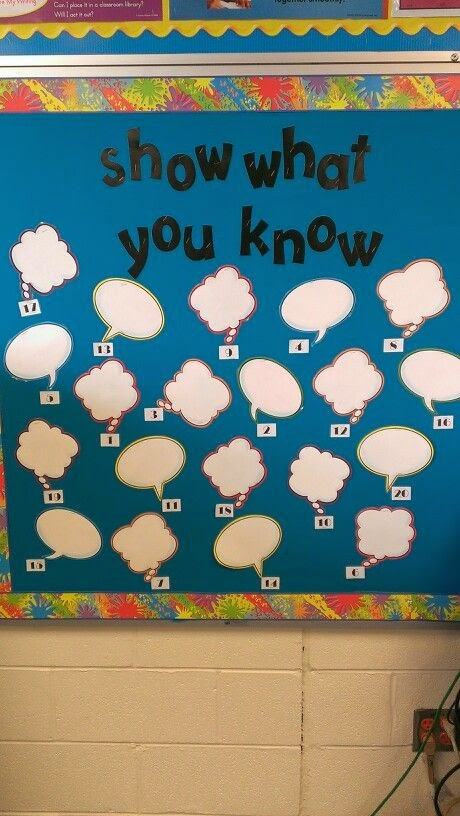
26. Put an exciting spin on exit slips.Create a “Show What You Know” board. Use speech bubble-shaped white boards for kids to write their lesson takeaways on, or have them write on post-its and stick them on their designated bubbles. As a follow-up class activity, students can look at everything their classmates learned!
[This article is originally posted by https://www.weareteachers.com/author/weareteachersstaff/ ]
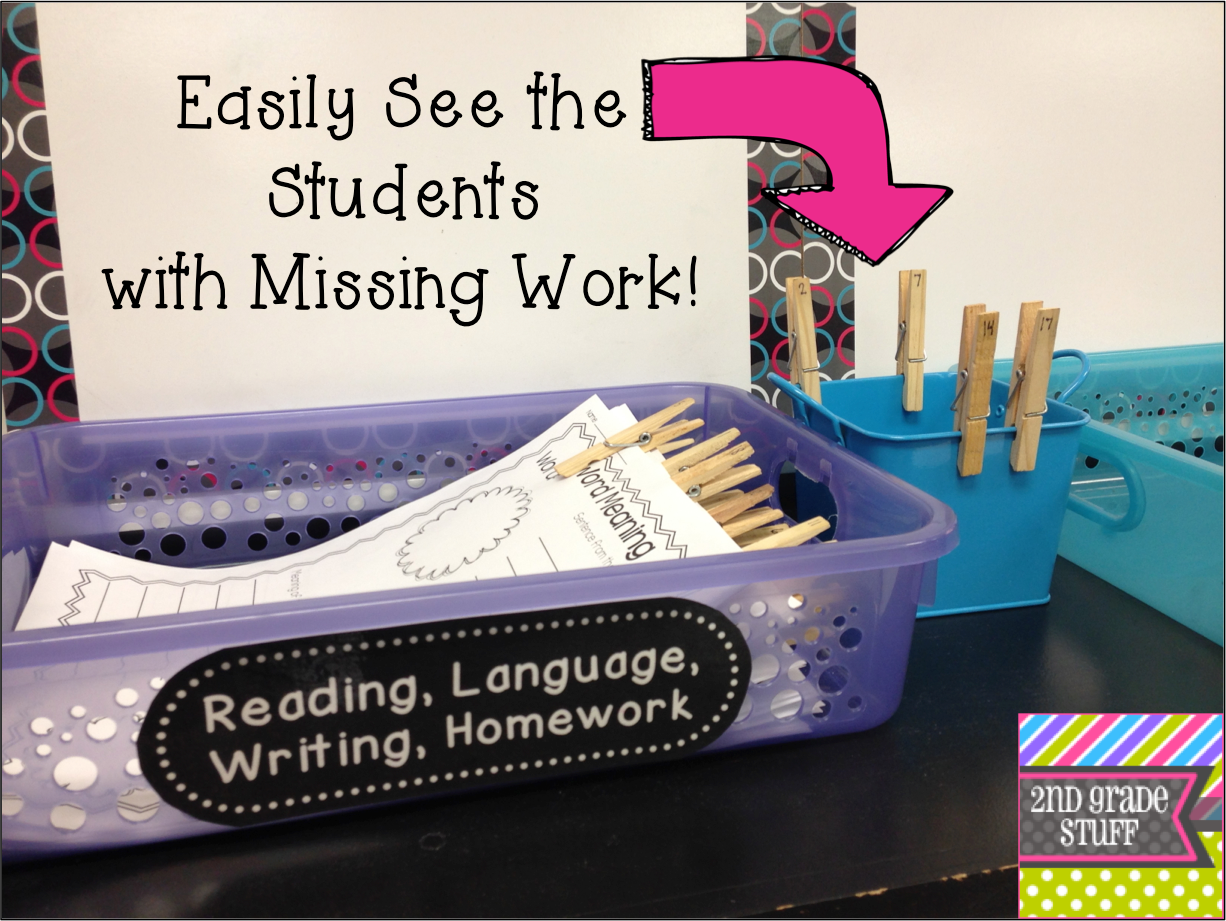
27. Manage work submission with clothespins.
Having students clip their papers will help quickly distinguish who handed in homework and who didn’t.
Having students clip their papers will help quickly distinguish who handed in homework and who didn’t.
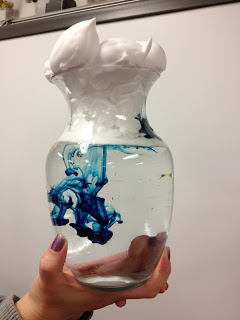
28. Demonstrate how it rains with this fun experiment.
Show your second graders how it rains with water, blue food coloring, and shaving cream. Get the full “how-to” here.
Show your second graders how it rains with water, blue food coloring, and shaving cream. Get the full “how-to” here.
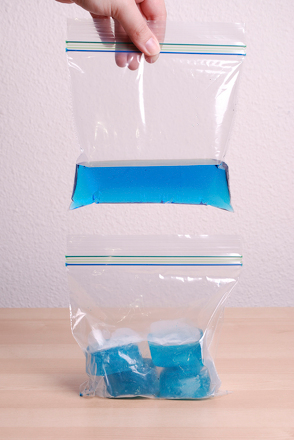
29. Teach states of matter with this simple demonstration.
This states of matter experiment from education.com will help your students understand how temperature affects the states of matter.
This states of matter experiment from education.com will help your students understand how temperature affects the states of matter.
30. Start a class economy.
”I gave my students plastic ‘banks’ from the dollar store. They earn money for specific things throughout the day: one penny for copying down homework, ten cents here and there. Just keep it consistent and don’t overuse it, otherwise they’ll be ungrateful for those random dimes and want quarters. On Fridays, they ‘go shopping’!” —Jacqueline Q.
“My Classroom Economy is a great resource for help getting started.” —Renee J.
”I gave my students plastic ‘banks’ from the dollar store. They earn money for specific things throughout the day: one penny for copying down homework, ten cents here and there. Just keep it consistent and don’t overuse it, otherwise they’ll be ungrateful for those random dimes and want quarters. On Fridays, they ‘go shopping’!” —Jacqueline Q.
“My Classroom Economy is a great resource for help getting started.” —Renee J.
[This article is originally posted by https://www.weareteachers.com/author/weareteachersstaff/ ]
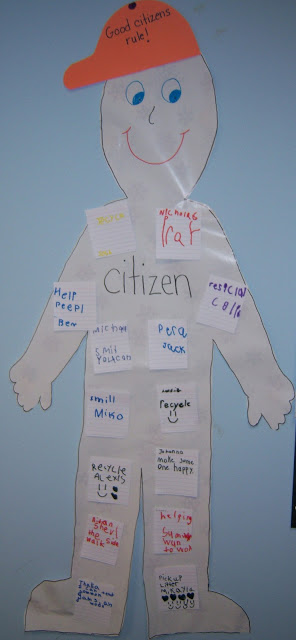
31. What does a “model citizen” look like?
After discussing what makes a good citizen, construct a “model citizen” on poster paper for your classroom. Students can write their ideas of great qualities and stick them on the poster to complete the picture.
After discussing what makes a good citizen, construct a “model citizen” on poster paper for your classroom. Students can write their ideas of great qualities and stick them on the poster to complete the picture.
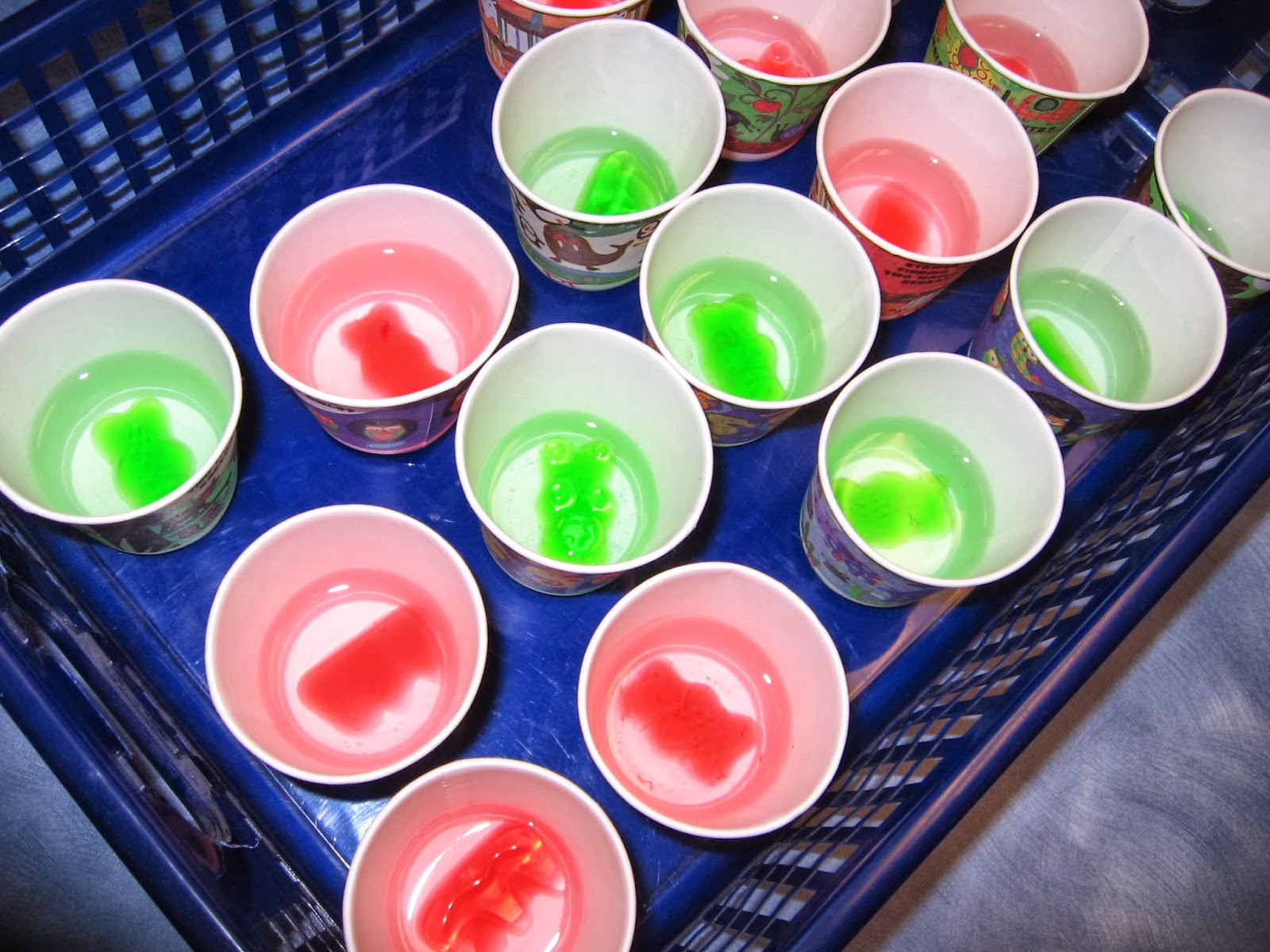
32. Conduct gummy bear experiments.Watch what happens when you soak gummy bears in liquid over a period of days. Find the full experiment—complete with freebie handout—here on the Second Grade Shuffle.
[This article is originally posted by https://www.weareteachers.com/author/weareteachersstaff/ ]
33. Introduce your second graders to American Symbols.This awesome book is FREE from Happy Teaching First: A First and Second Grade Blog.
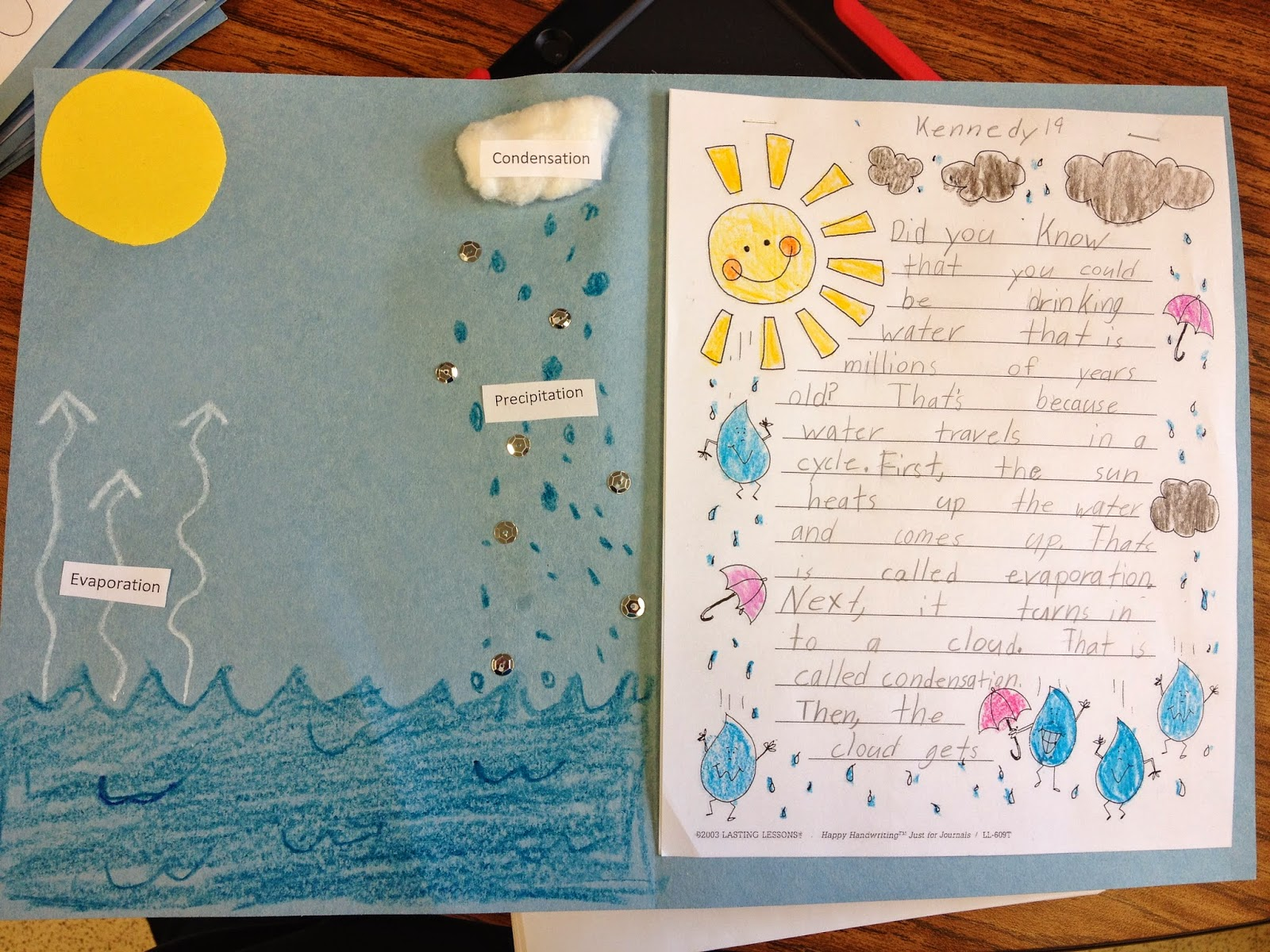
34. Go interdisciplinary: art, writing, and science!Describe and illustrate the steps of the water cycle.
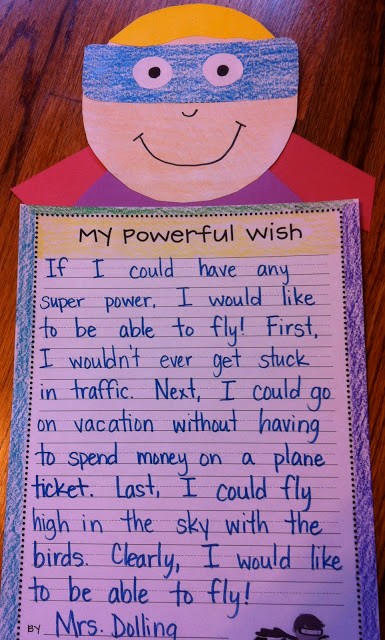
35. What superhero power would you have?
Let your second graders imagine and write about what kind of superhero they would be!
Let your second graders imagine and write about what kind of superhero they would be!
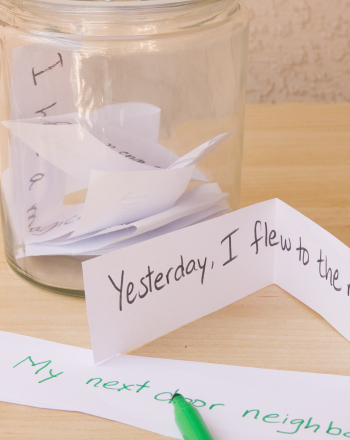
36. Fire up your little storytellers’ imaginations.From education.com: “Creativity and sequencing skills combine to create wild stories!” Get the full activity here.
[This article is originally posted by https://www.weareteachers.com/author/weareteachersstaff/ ]
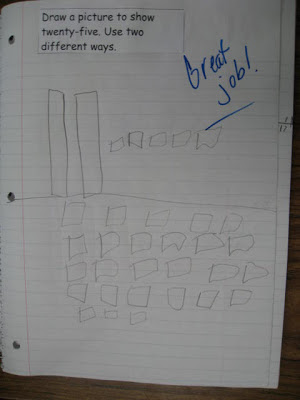
37. Write in math journals every day.Find a ton of prompts from Smiling & Shining in Second grade here.
38. Remembering how to subtract will be much easier with this cute poem!
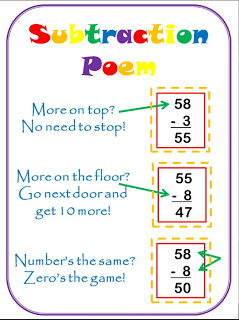
39. Looking for some awesome second grade writing lessons, handouts, and units?
Look no further. This site has dozens of activities you can pull out and put to use.
Look no further. This site has dozens of activities you can pull out and put to use.
[This article is originally posted by https://www.weareteachers.com/author/weareteachersstaff/ ]
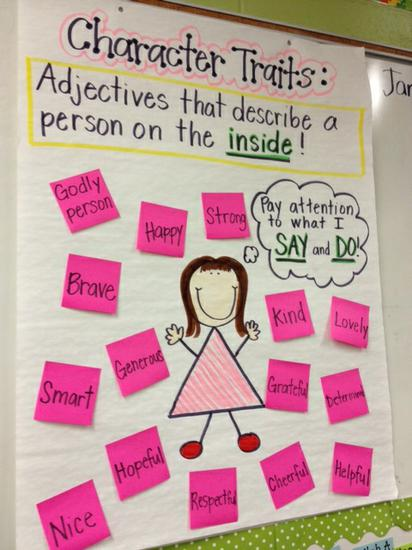
40. Invite students to look at characters more in depth with this handy “character traits” chart.
Customize it to specific characters for each new book you read.
Customize it to specific characters for each new book you read.
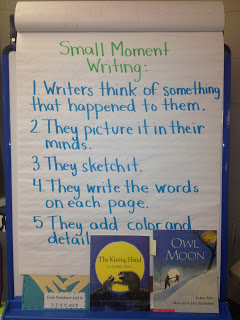
41. Introduce your second graders to small moment narratives.Break down the process with this handy anchor chart, and then watch them go to town writing…
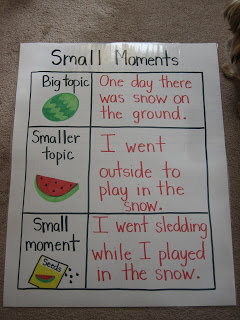
42. … and this helpful guide will help the kiddies distinguish those small moments from larger contexts.
[This article is originally posted by https://www.weareteachers.com/author/weareteachersstaff/ ]
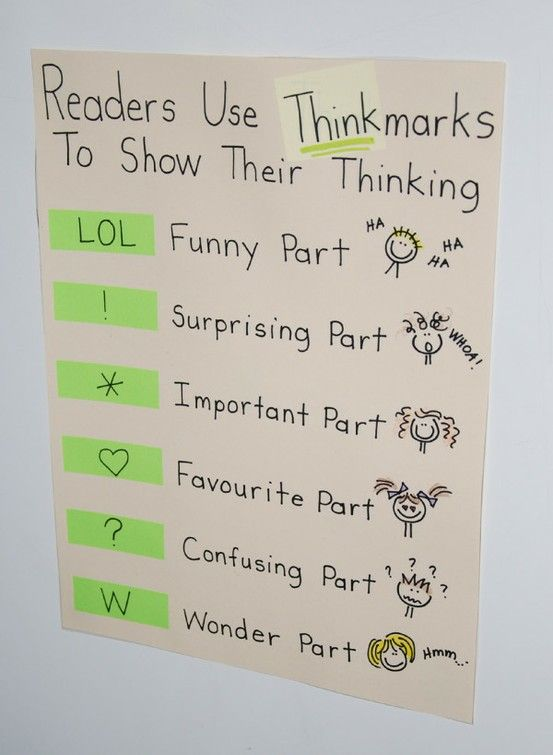
43. Teach annotation with “thinkmarks”.
Encourage active engagement as readers by printing or having students create “thinkmarks” they can use to annotate text with as they read.
Encourage active engagement as readers by printing or having students create “thinkmarks” they can use to annotate text with as they read.
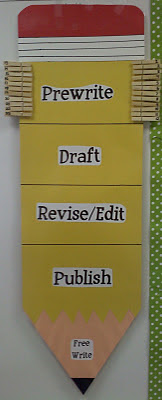
44. Track the writing progress of each of your second graders.All you need is this adorable pencil chart and clothespins. Write student numbers on each clothespins, and then students can move them as they complete each step.
45. Make a picture alphabet book for parts of speech, antonyms, synonyms, and homophones.Create a class library of these! It’s a great way to showcase student learning.
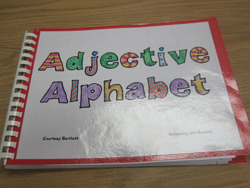
http://classroomcollective.tumblr.com/post/14926432373 via Pinterest
[This article is originally posted by https://www.weareteachers.com/author/weareteachersstaff/ ]
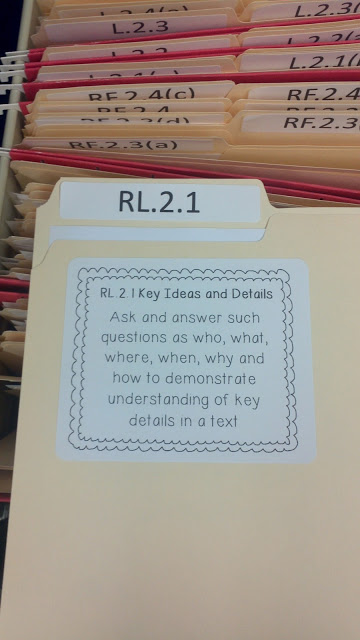
46. Uncommon common core organization!We love this simple organizational idea. Create separate labeled folders for each standard, and then file activities that align with each standard in the appropriate folders. Genius!
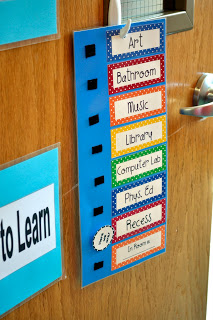
47. “Where are we?”
Everyone at school will always know where your class is with this velcro sign.
Everyone at school will always know where your class is with this velcro sign.
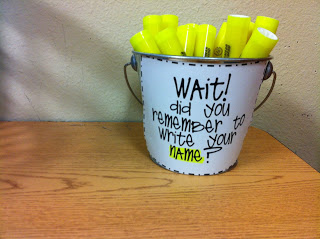
48. When students highlight their names before handing in work, you’ll never receive a name-free paper again!
[This article is originally posted by https://www.weareteachers.com/author/weareteachersstaff/ ]
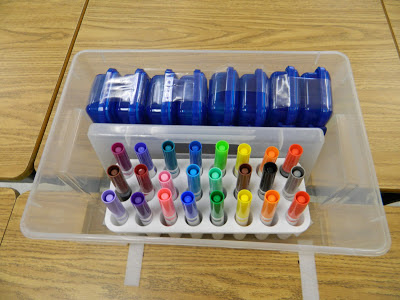
49. Keep markers organized at stations and cooperative groupings with water bottle ice cube trays.
50. Skip homework—go for classwork!“I always do core lit during class. That way, when we discuss and ‘close read’ sections, we’re all literally on the same page. I can never be sure what does or doesn’t happen at home.” —Stacey T.
[This article is originally posted by https://www.weareteachers.com/author/weareteachersstaff/ ]
[This article is originally posted by https://www.weareteachers.com/author/weareteachersstaff/ ]
Subscribe to:
Comments (Atom)